
PEX vs. Copper Pipe: Why PEX Holds up Better in South Jersey Winters
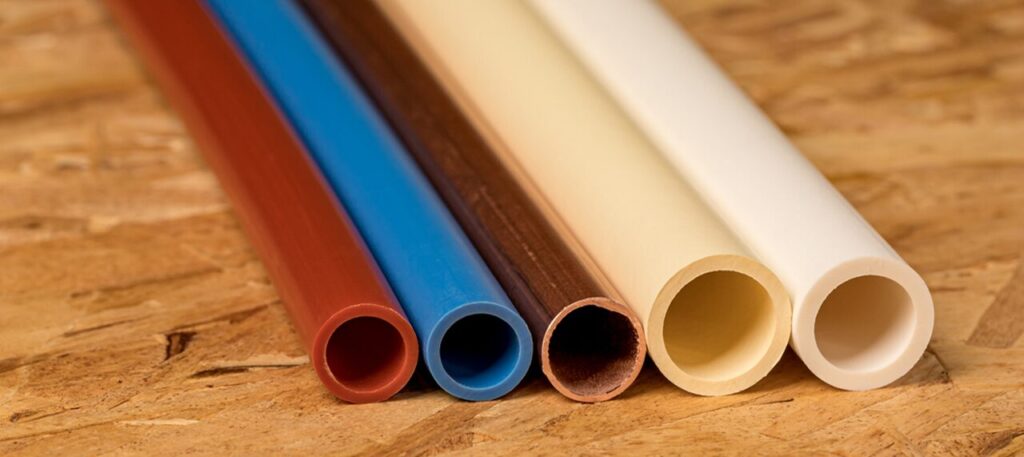
Coastal freeze cycles roll in fast along the South Jersey shore, and an unconditioned crawlspace offers little protection once ocean winds drive your pipes’ temperature down for the night. Pipe material is often the reason one home escapes with a minor freeze scare while another floods.
If you’re comparing PEX vs. copper pipe, you likely want to know why PEX holds up better in South Jersey winters, which warning signs indicate an aging system, and what steps you can take to protect your home before the next hard freeze.
Why PEX Is Better for Cold New Jersey Winters
New Jersey winters bring repeated freeze-thaw cycles, especially in shore towns where ocean air quickly lowers temperatures overnight. PEX’s resistance to these freeze cycles is the main reason it is a good pipe material for homes in the area.
What Happens Inside a Pipe When It Freezes?
When water inside a pipe freezes, it forms a blockage that traps the water still flowing on either side. That ice blockage alone doesn’t cause the damage. Pressure building in the water column behind it is what eventually forces a pipe past its breaking point.
Unconditioned crawlspaces, attics and exterior walls carry the highest risk in shore homes because these areas receive little to no heat during the coldest months. The Building Research Council at the University of Illinois identifies roughly 20°F as the temperature alert threshold at which uninsulated pipes in unheated spaces begin to freeze. South Jersey’s coastal winter swings can push your home into that range repeatedly throughout the season, particularly overnight.
How PEX and Copper React Differently
Copper pipe is rigid. When pressure builds behind a frozen section, the metal has nowhere to flex, so it cracks or splits outright. PEX works differently. Its flexible molecular structure allows the pipe to expand slightly under pressure and return to its original shape once the water thaws, instead of failing under the strain.
PEX can withstand over 400 freeze-thaw cycles without failure, and it retains its flexibility even at temperatures well below zero. PEX also loses heat more slowly than copper, so water inside a PEX line takes longer to reach the freezing point in the first place. That’s a meaningful edge in a climate that regularly approaches the 20°F danger zone.
Why Copper Struggles in South Jersey Winters
Copper has a legitimate track record. It can last for decades, naturally resists bacterial growth and has long been a standard choice for residential plumbing. Unfortunately, those strengths won’t protect your home from the specific risks associated with coastal winters and salt-air exposure.
- Rigidity: Without PEX’s flexibility, copper has no way to accommodate the expansion of frozen water, and repeated freeze events can gradually weaken joints and solder points over multiple winters.
- Salt air corrosion: Homes closer to the water tend to experience faster exterior degradation of copper piping, as coastal air accelerates the natural corrosion process.
- Water chemistry: Water pH and chlorine levels vary across South Jersey shore municipalities, and copper exposed to more aggressive water conditions can develop pinhole leaks over the years.
Signs Your Pipes Need to Be Replaced
Not knowing what’s hiding inside your walls is one of the most common sources of homeowner anxiety, but a few visible warning signs can reveal a lot about your pipes’ health.
- Home age: About 61% of New Jersey homes were built before 1980, and many still have galvanized steel or early copper systems that are nearing or past their useful life.
- Discolored water: Rust-colored or discolored water running from the tap often signals interior corrosion inside galvanized pipes.
- Low water pressure: Water pressure that stays low throughout the home can point to scale and corrosion narrowing the inside of older pipes.
- Visible corrosion: Green staining, white mineral buildup or visible corrosion at joints and fixtures are signs that a pipe system is breaking down from the inside out.
- Exposed older materials: An unconditioned crawlspace lined with older PVC or CPVC piping, left exposed to South Jersey’s freeze cycles without added protection, may need to be replaced. CPVC in particular becomes brittle with age and prone to cracking during a hard freeze.
Spotting these signs that your pipes need to be replaced early gives you time to plan a repipe on your own schedule, rather than reacting to an emergency burst pipe.
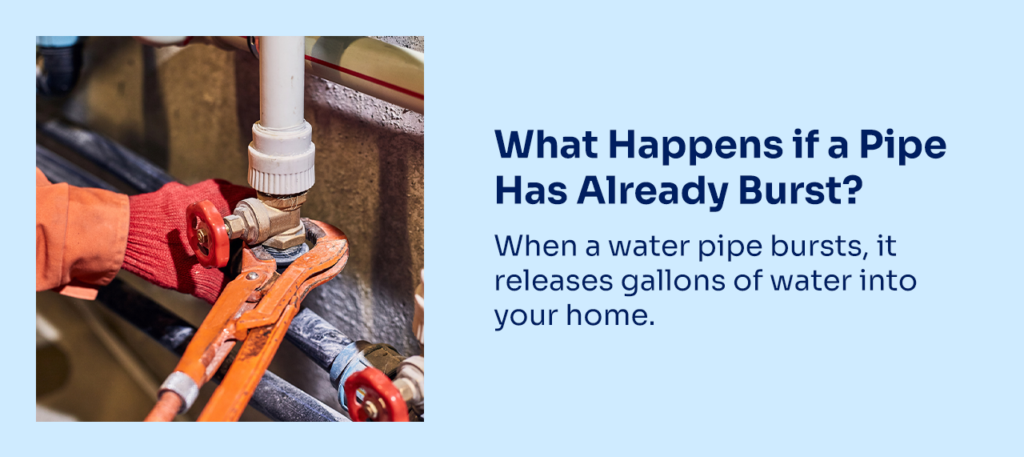
What Happens if a Pipe Has Already Burst?
When a water pipe bursts, it releases gallons of water into your home. Because copper has no flexibility to absorb pressure from freezing, a split section typically means water is escaping into walls, floors or ceilings.
Once water reaches drywall and flooring, the clock starts running. Saturated materials require professional extraction and drying, and mold can begin forming within 24 to 48 hours if drying doesn’t occur quickly enough. Between drywall removal, flooring replacement, and mold remediation, water damage restoration costs can add up quickly. In that case, the plumbing fix often becomes the smallest part of the total bill.
For South Jersey homeowners with an aging copper system, that cascading expense is one of the strongest reasons to address a freeze-prone pipe before it bursts rather than after.
Pipe Insulation as a First Line of Defense
Pipe insulation sleeves offer a practical, low-cost first step if you aren’t ready for a full repipe, especially at seasonal shore properties that sit empty for stretches of the winter.
Foam sleeves fitted around exposed pipes in crawlspaces, attics and exterior walls slow heat loss and delay the point at which water inside the pipe reaches freezing. Insulation does reduce risk, but it has limits and won’t fully protect an aging pipe system during an extended cold snap. For shore homes left unoccupied for long periods, pairing insulation with professional winterization offers a more comprehensive layer of protection through the coldest months.
The Cost of Repiping in South Jersey
When prevention measures are no longer sufficient, you may need to consider repiping. Weighing a PEX vs. copper repipe often comes down to a handful of factors rather than a single price tag, since every home’s situation looks a little different. These include:
- Home size and fixtures: Larger homes with more bathrooms and fixtures naturally require more material and labor to complete a repipe.
- Pipe accessibility: A repipe costs less when pipes run through an open crawlspace than when they run in finished walls or tight interior spaces.
- Material choice: PEX is significantly more affordable to install than copper, both in material cost and the labor needed to work with it.
- Labor: The job’s complexity and the number of connections involved both factor into the overall labor cost.
Protect Your Plumbing This Winter Season
PEX pipe holds up better against South Jersey’s winter swings. Partnering with an experienced local plumbing team ensures that the advantage carries through every repair, inspection and installation in your home. Broadley’s Plumbing, Heating & Air Conditioning is a family-owned contractor serving Southern New Jersey for generations, bringing residential plumbing expertise you can count on.
Repairs are backed by our Satisfaction Guarantee for 30 days, while new installations include a one-year labor warranty. Our flat-rate pricing keeps costs transparent, so there are no surprises once the work is done. We offer emergency services for urgent situations, like a burst pipe. Contact us to schedule an on-site consultation for a whole-home repipe or seasonal winterization.